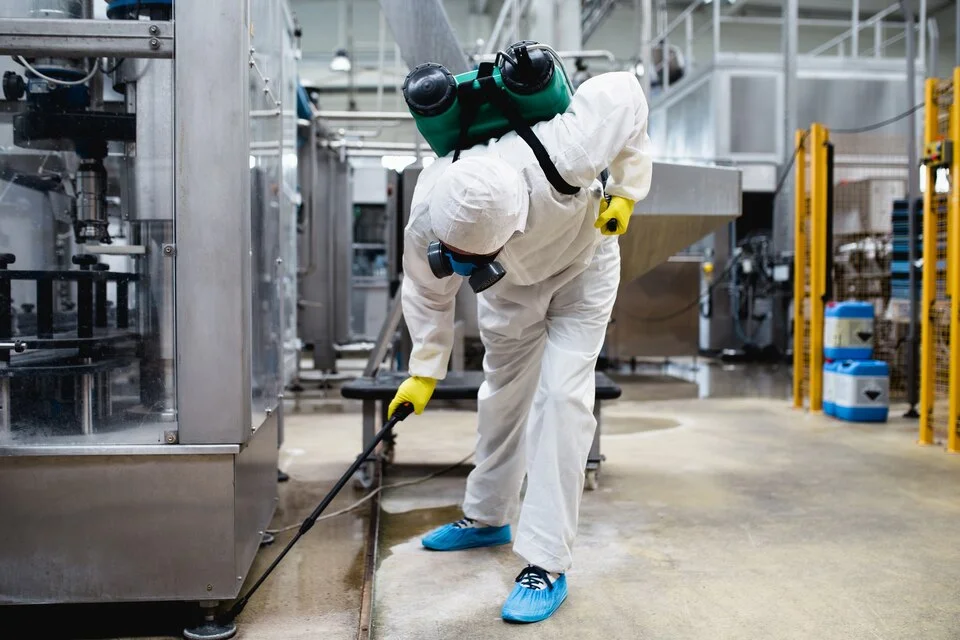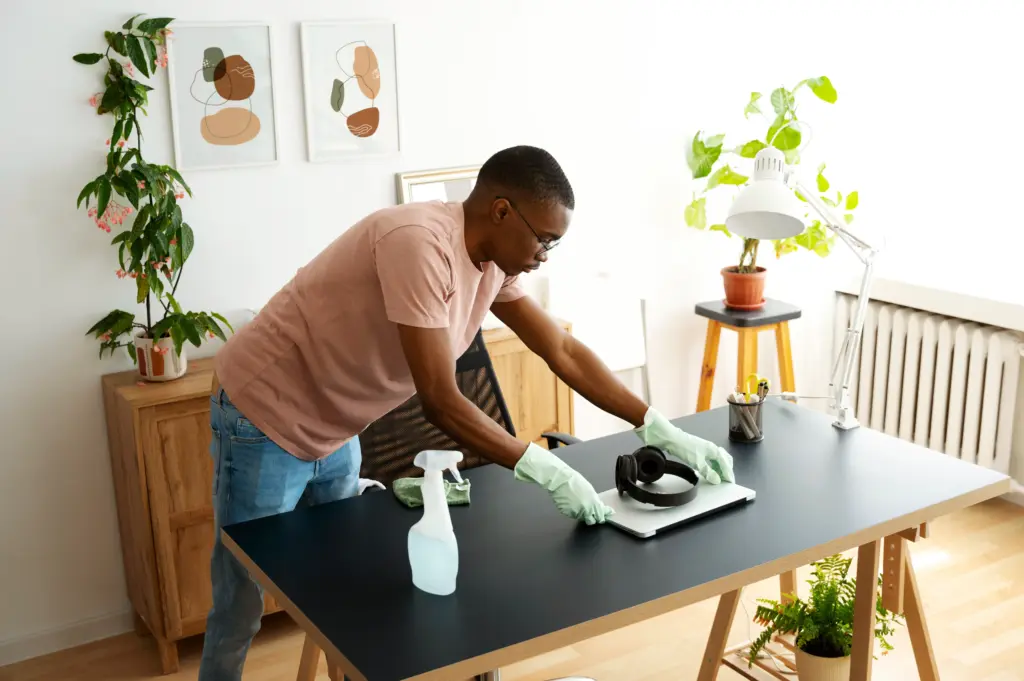
“Eco-friendly cleaning” gets used so loosely these days that it’s lost most of its meaning. Sometimes it means a product has a green leaf on the label. Sometimes it means someone swapped one chemical spray for another chemical spray with softer marketing. So what does it actually mean when a professional cleaning company says they clean “eco”? It comes down to three things: what’s in the products, how the service is delivered, and what happens after the job is done.
It Starts With What’s in the Bottle
At its core, eco cleaning means using products that are biodegradable and non-toxic — formulated to break down safely in the environment instead of lingering in waterways, and free from the harsh chemicals that can irritate skin, eyes, and airways. That last part matters more than people realize. Conventional cleaning products are a common but under-discussed source of indoor air quality issues, especially for people with allergies, asthma, or chemical sensitivities.
Real eco-friendly cleaning isn’t a single miracle product — it’s a formulation choice made deliberately, room by room and surface by surface, to get the same level of clean without the chemical trade-off.
It’s Also About Effectiveness, Not Just Ingredients
A common myth is that “gentle” and “effective” can’t coexist — that if a product is safe enough to use around kids, pets, or people with respiratory conditions, it must not be strong enough to actually disinfect. That’s not the case. Eco-friendly formulations have come a long way, and a well-designed eco cleaning program can meet the same hygiene standards required in demanding environments like medical offices, schools, and gyms, without relying on harsh chemical residue to get there.
The difference isn’t in how tough the clean is — it’s in what’s left behind afterward.
It Extends Beyond the Product Itself
Eco cleaning isn’t only about what’s in the spray bottle. A genuinely sustainable cleaning approach also looks at:
- Waste reduction — using supplies and equipment efficiently rather than defaulting to disposable everything
- Responsible sourcing — partnering with suppliers who share the same environmental standards
- Process, not just product — training teams to clean in a way that reduces chemical overuse, water waste, and unnecessary environmental impact
In other words, eco cleaning is a philosophy that shows up in how a job gets done, not just which bottle gets pulled off the shelf.
Why It Matters Across Every Type of Space
The same principles apply whether it’s a home, a medical office, a school, or a commercial building — but the stakes shift depending on who’s in that space. A biodegradable, non-toxic approach matters in a home with young kids or pets. It matters in a school where children spend six-plus hours a day breathing the air. And it matters in a medical office where patients are already dealing with health concerns and don’t need chemical exposure added to the list.
The Real Test of “Eco”
If a cleaning company can’t explain what’s in their products, why they chose them, or how their process reduces environmental impact beyond the label, it’s worth asking more questions. Genuine eco cleaning is specific and explainable — not just a marketing word.
At Eco Clean Systems, this has been the foundation since day one: biodegradable, non-toxic solutions developed through research into environmental science and chemistry, paired with a commitment to reducing waste and protecting both people and the planet. Curious what that looks like for your space? Request a free quote and we’ll walk you through it.